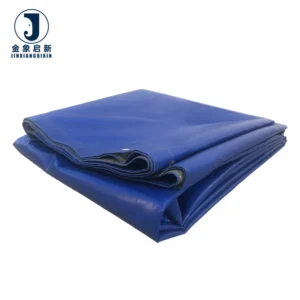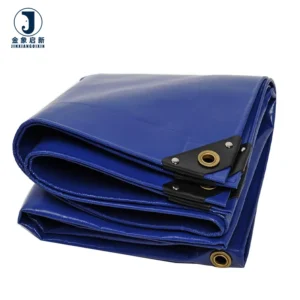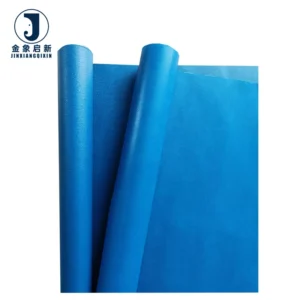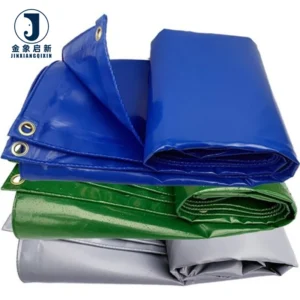
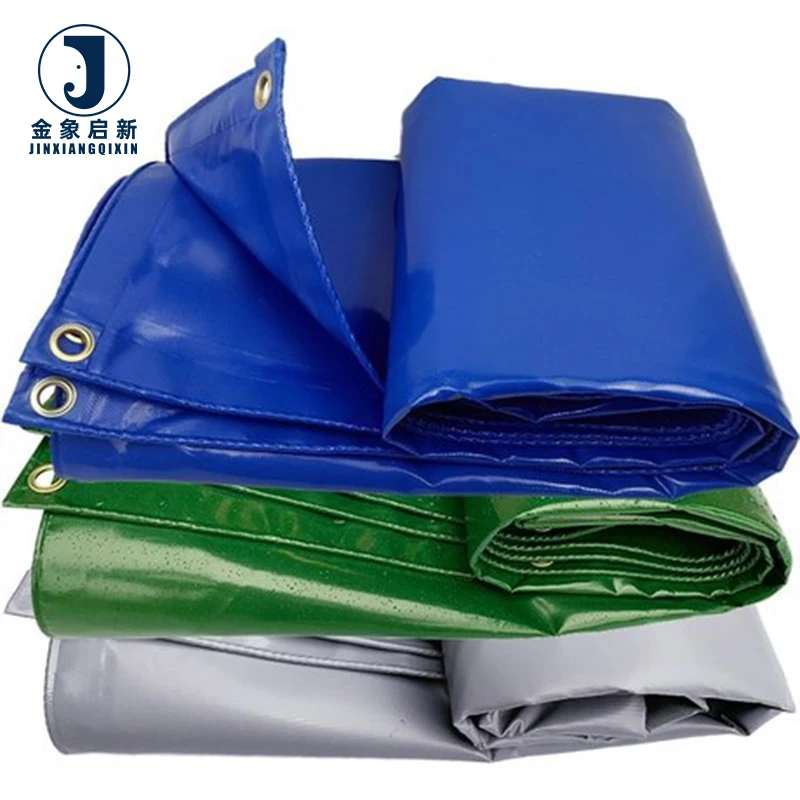
Controlled coating adhesion — hot-melt and laminated technology on 650gsm polyester base delivers consistent layer bonding verified per roll before dispatch.
Technical Specifications
| Parameter | Value |
|---|---|
| Product Type | PVC Coated Tarpaulin Roll |
| Weight | 650 GSM |
| Base Fabric | 100% high tenacity polyester yarns |
| Coating Material | PVC |
| Coating Method | Laminated technology & Hot-melt Coating technology |
| Adhesion Strength | Good adhesion strength |
| Tear Strength | Outstanding tearing strength for welding |
| Waterproof | Yes |
| Color Fastness | Best color fastness |
| Key Features | Cold crack resistant, anti-mildew, anti-static, flame retardant available |
| Special Treatments | 3P Etc. |
Application Suitability
| Application | Exposure & Requirement |
|---|---|
| Truck side curtain | Constant flexing, road abrasion, UV exposure, weld integrity at seams |
| Inflatable and membrane structures | Sustained air pressure, seam load, weather cycling, visual consistency |
| Tent and awning fabric | Prolonged sun exposure, water runoff, fold fatigue, colour uniformity |
| Industrial ventilation duct | Fire-retardant compliance, anti-static requirement, airflow abrasion |
| Outdoor equipment cover | Rain ingress, dust, UV, handling abrasion at contact points |
Why Coating Method Determines Tensile Behaviour More Than GSM
Laminated and hot-melt coating bond PVC layers to the polyester scrim as a unified structure, so the tear strength holds at the weld line rather than peeling apart under load.
Technical buyers reviewing PVC Coated Tarpaulin 650gsm often focus on weight as the primary strength indicator, but the coating technology used to apply that weight changes how the fabric behaves when cut, welded, and tensioned. A roll that meets the stated GSM can still delaminate at the seam if the adhesion between base fabric and coating is weak [NEED_CITE: tensile and tear test methods for coated fabrics per ISO 1421]. This page breaks down how coating method, base yarn construction, and treatment options interact to produce a material that performs as specified in fabrication and field use.
How Hot-Melt Coating Affects Weldability and Seam Life
The hot-melt coating process fuses PVC directly into the polyester scrim at elevated temperature, creating a bond that behaves as a single layer during heat welding. For fabricators joining panels on truck curtains or membrane structures, this means the weld zone retains tearing strength comparable to the body of the fabric rather than splitting at the coating interface. The laminated technology used alongside this process further reinforces the bond across the full width of the roll, reducing the risk of edge delamination during cutting and finishing.
Base Fabric Denier and Its Role in Tear Propagation
The 100% high tenacity polyester yarns form the load-bearing skeleton of this PVC Coated Tarpaulin 650gsm. When a puncture or cut occurs in the field, the denier and weave density of the base fabric determine whether the tear arrests or propagates across the panel. High tenacity yarns distribute the stress over a wider area of the weave, which is critical for applications like side curtains that flex continuously or pond liners that bear static water load against uneven ground [NEED_CITE: DIN 53354 tear strength testing for coated textiles].
Reading the Specification Beyond Weight
Six hundred and fifty grams per square metre tells you the total mass of base fabric plus coating, but not how that mass is distributed. A heavier coating on a lighter base scrim yields high GSM but lower tensile strength; a balanced construction gives better all-round mechanical performance. The coating method — laminated versus hot-melt versus knife-over-roll — also dictates peel strength, which affects how well the material survives repeated folding, tensioning, and thermal cycling. Anti-mildew treatment protects against biological degradation in humid storage, while cold crack resistance determines how the PVC layer behaves when ambient temperature drops, preventing the brittle fractures that expose the base fabric to moisture ingress. The flame retardant treatment is available in multiple grades — confirm the grade required for your market before specifying.
What Happens When Specification Choices Miss the Application
A roll that passes GSM verification can still fail in the field if the coating method does not match the fabrication process. Weld seams on a laminated-only fabric may separate before the base fabric reaches its tear limit when the joined panels flex under load [NEED_CITE: DIN 4102 fire classification for building materials]. Colour inconsistency across rolls in a single order becomes visible only after installation, when adjacent panels on a structure or truck curtain show a noticeable shade difference. Anti-static treatment claimed without a supporting test report leaves the buyer exposed on site where electrostatic discharge is a compliance requirement. These failures do not appear on the quotation — they surface weeks or months after delivery.
Why Technical Buyers Source This Fabric Here
Deep process control over coating weight and adhesion is maintained across three full production lines and thirty-six sets of professional equipment, so 650gsm rolls ship with consistent mass per unit area verified before dispatch. A ten-person R&D team handles material selection, sample development, and custom width requests, producing samples within days for evaluation. One hundred percent pre-shipment inspection checks coating weight, colour reference, and surface quality on every roll, not just a statistical sample. ISO and CE certification is current and traceable to the production facility. Roll-to-roll colour consistency is managed through controlled pigment batching, so panels cut from different rolls within the same order match when installed side by side.
Documentation & Verification
- Material specification sheet stating 650 GSM, base fabric construction, and coating method
- Test report for flame retardant and anti-static grades where applicable to order
- Pre-shipment inspection record with per-roll coating weight verification
- Roll packing list with batch number for roll-to-roll traceability
- ISO and CE certificates traceable to production facility
- Certificate of origin and customs documentation included with shipment
Fabrication, Handling & Storage
- Set hot-air weld temperature to suit hot-melt coating bond for reliable seam adhesion
- Allow cold crack resistant rolls to reach ambient temperature before unrolling and tensioning
- Store 650 GSM rolls upright on core to prevent permanent crease marks across the width
- Clean PVC surface with mild detergent only to preserve anti-mildew treatment effectiveness
- Plan panel layout across roll width to minimise offcuts and reduce weld seam count
- Support anti-static treated rolls on conductive shelving during storage to maintain surface properties
What to Include in Your Enquiry
Specify the end-use application and exposure conditions so the correct treatment combination can be confirmed — flame retardant grade, anti-static level, and UV stabilisation all depend on where the fabric will be installed. State your required roll width, colour reference, and annual volume to determine production scheduling and batch consistency planning. Indicate whether you need roll stock only or finished panels with welding and hemming, and whether a sample roll is required for approval before full production.
Frequently Asked Questions
Q: How do I confirm the 650 GSM of each roll matches the quoted specification?
A: Every roll is weighed and measured during pre-shipment inspection, with the recorded coating weight documented per roll. You can verify independently on receipt using a calibrated scale and measured sample area. The packing list includes batch-level weight data so any discrepancy is traceable to a specific production run.
Q: What flame retardant grades are available, and how do I match them to my market?
A: Flame retardant treatment is available in grades suited to different regional standards — confirm the classification required for your application, such as building code or transport regulation. Request the specific test report that corresponds to your market requirement before placing the order, so compliance documentation is ready for site inspection.
Q: Can I evaluate a sample roll before committing to a container order?
A: Sample rolls are developed within days based on your specified GSM, colour, width, and treatment requirements. This allows you to test weld parameters, check colour consistency against your reference, and confirm mechanical properties before approving bulk production. Sample lead time depends on custom specification complexity.
Q: How is colour consistency maintained across multiple rolls in one shipment?
A: Pigment batches are controlled and mixed to a single colour reference for each order. Rolls from the same batch are allocated together during dispatch. The pre-shipment inspection compares each roll surface against the agreed reference, and any roll falling outside tolerance is held before packing.