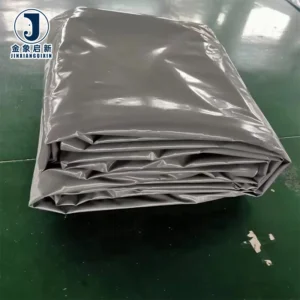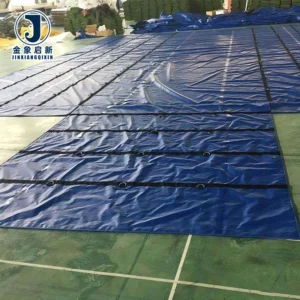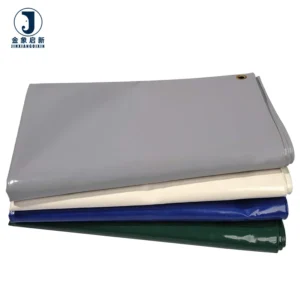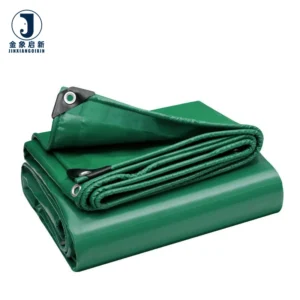
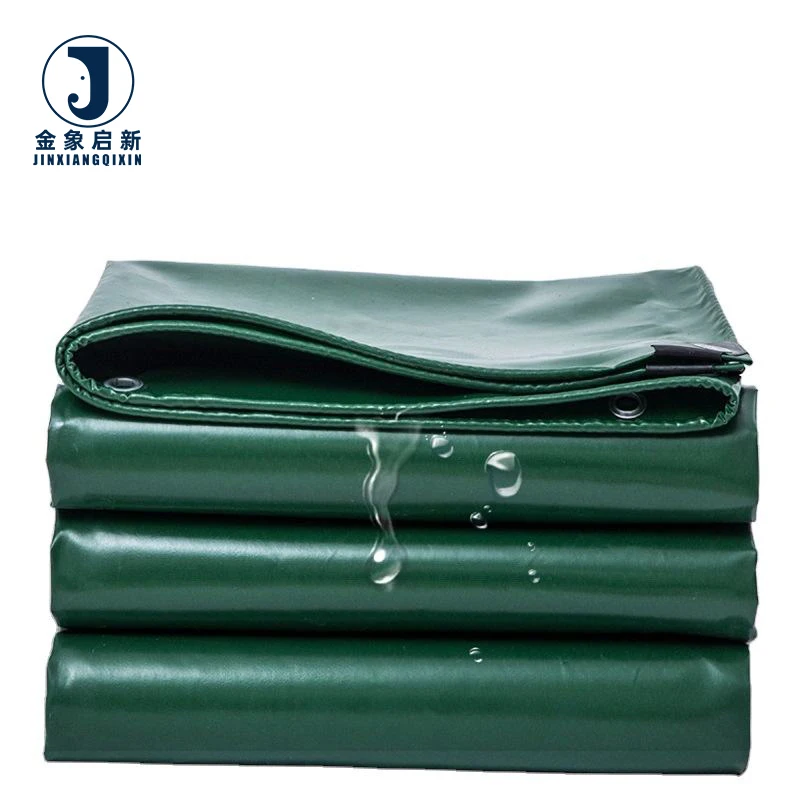
Process Control Over Coating Adhesion — three dedicated production lines maintain consistent coating weight and bond strength across every PVC Coated Tarpaulin Roll produced for flatbed transport.
Technical Specifications
| Parameter | Value |
|---|---|
| Product Type | PVC Coated Tarpaulin |
| Coating Material | PVC (Polyvinyl Chloride) |
| Construction | Double-Faced Coating |
| Water Resistance | Fully waterproof coated construction |
| Flame Retardant | Available in flame retardant grades — confirm the grade required for your market (grade not stated) |
| Anti-UV Treatment | UV stabilisation available — request test basis for your exposure requirements (test basis not stated) |
| Color Options | Multiple colors available |
| Surface Finish | Double-faced uniform coating |
| Standards | ISO, CE certified production facility |
Application Suitability
| Application | Exposure & Requirement |
|---|---|
| Flatbed truck load covering | Wind shear at highway speed, road debris abrasion, tie-down strap friction at contact points |
| Lumber transport protection | Splinter and edge puncture risk, sap and resin contact, UV exposure on open loads |
| Heavy-duty freight tarpaulin | Repeated folding and unfolding, crease fatigue, load shifting at flex zones |
| Outdoor cargo weather protection | Rain pooling on horizontal surfaces, temperature cycling, condensation under load |
Why GSM Alone Does Not Tell You How Strong the Fabric Is
Coating weight and base fabric density must be evaluated together to understand real field performance.
When a PVC Coated Tarpaulin base fabric denier coating method GSM tensile tear strength specification arrives on the dock, the first check is often a scale and a square metre cutter. If the roll weighs what the quotation says, procurement signs off. Yet two rolls at identical GSM can have very different tensile and tear values depending on whether that weight comes from a dense base yarn or from thick coating filler. Technical buyers who specify only on GSM leave a gap that shows up later — at the welded seam under a ratchet strap, or along a crease line that has seen a winter of folding [NEED_CITE: tensile and tear test methods for coated fabrics per ISO 1421]. The missing data point is how the weight is distributed between base fabric and coating layer, and how those two layers bond under stress.
How Coating Method Determines Seam Behaviour
The knife-over-edge coating process used for this PVC Coated Tarpaulin applies a controlled PVC layer directly to the woven polyester base. This method produces strong adhesion between coating and yarn, which is the property that matters most when fabricators hot-air weld panels together. A coating that separates from the base fabric at the weld line will fail long before the base yarn reaches its breaking point, regardless of how high the stated tensile value reads on the test certificate.
Base Fabric Denier and Its Effect on Tear Propagation
A high-denier yarn in the warp and weft creates a base fabric that resists tear propagation once a puncture or cut occurs. In flatbed transport, the most common tear initiation points are where tie-down hardware presses against the fabric and where the tarpaulin flexes over sharp load edges. The relationship between denier, weave density, and tear resistance is the reason two fabrics at the same PVC Coated Tarpaulin base fabric denier coating method GSM tensile tear strength rating can perform differently after six months on the road [NEED_CITE: relationship between yarn denier and tear propagation in coated polyester fabrics].
Interpreting the Specification Sheet as a Technical Buyer
The parameters that matter for roll-stock procurement are coating weight per side, base fabric denier and thread count, and adhesion strength measured by peel test. These three values, read together, predict how the material will behave during fabrication — specifically during high-frequency welding and eyelet setting — and how it will hold up under cyclic loading on a moving flatbed. Requesting a full material specification sheet with these data points allows incoming quality checks that go beyond a simple GSM weigh-in.
The Hidden Cost of Specifying on Incomplete Data
Procurement decisions based on GSM without verifying adhesion strength lead to seam failures that appear weeks after the finished tarpaulin enters service. When the coating delaminates at a weld line under load shift, the repair cost exceeds the original material saving, and the fleet operator attributes the failure to your fabrication quality rather than the roll stock you sourced. Batch-to-batch colour variation compounds the problem: a replacement panel cut from a different roll is visibly mismatched once installed alongside the original, forcing a full reskin [NEED_CITE: delamination failure modes in knife-coated PVC fabrics under cyclic flex loading].
Why Technical Buyers Source This Fabric Here
Consistent coating adhesion across production runs comes from process control on three dedicated lines with thirty-six sets of coating and finishing equipment, not from post-production sorting. A ten-person R&D team handles material selection, colour matching, and sample development so that the roll arriving on your cutting table matches the approved swatch. Dedicated quality inspection at every stage — base fabric intake, mid-coat weight check, and pre-shipment roll-by-roll verification — catches deviations before they ship. Material specification sheets stating GSM, base fabric construction, and coating weight accompany every dispatch. Sample development within days allows you to weld-test and confirm adhesion before committing to container volumes.
Documentation & Verification
- Material specification sheet stating GSM, base fabric denier and weave, and coating weight per side
- UV and flame retardant test reports matching the grade quoted, supplied with the shipment
- Pre-shipment inspection record documenting weight and visual check per roll
- ISO and CE certificates confirming facility-level quality management compliance
- Certificate of origin and customs documentation included for cross-border shipment
Fabrication, Handling & Storage
- Hot-air welding temperature should be calibrated against the double-faced PVC coating thickness for consistent seam adhesion
- Store rolls horizontally on pallets to prevent edge compression marks on the coated surface
- Allow cold-stored rolls to reach workshop temperature before unrolling to avoid coating crack at crease lines
- Clean with mild detergent only — solvent-based cleaners degrade the PVC coating plasticiser layer
- Set eyelets through reinforced hem folds to distribute tie-down load across multiple yarn courses
- Plan panel layout to minimise cross-width seams where load flex concentrates during transport
What to Include in Your Enquiry
Specify the flatbed trailer type and load profile so we can recommend the appropriate base fabric denier and coating weight for your exposure conditions. Indicate your target market’s fire classification requirement if flame retardant certification is needed for compliance. Provide required roll width, colour references, and estimated annual volume so the quotation reflects production run consistency. State whether you need roll stock only or finished cut-to-size panels with welded hems and eyelets.
Frequently Asked Questions
Q: How is GSM verified on delivery versus the quotation value?
A: Every roll undergoes a weight check during pre-shipment inspection. A sample is cut to a measured area, weighed, and recorded. The inspection report accompanies the shipment so you can compare the delivered weight against the quoted PVC Coated Tarpaulin base fabric denier coating method GSM tensile tear strength specification before accepting the goods.
Q: What flame retardant grades are available and which standards apply?
A: Flame retardant treatment is available in multiple grades. The applicable test standard depends on your end market — common requirements include DIN 4102, NFPA 701, or local building code classifications. State your required grade at enquiry stage so the correct formulation is applied and the matching test report is supplied.
Q: How is colour consistency controlled across multiple rolls in one order?
A: Colour is matched against an approved reference swatch at the coating stage. Rolls within a single production run are processed under the same batch conditions to minimise variation. For orders spanning multiple runs, we hold the approved standard on file for re-matching and can supply a colour tolerance range for your incoming inspection.
Q: What welding methods are recommended for this PVC coated fabric?
A: Hot-air welding and high-frequency welding are both suitable for the double-faced PVC coating construction. Weld temperature and speed should be set based on the total coating thickness. We recommend running test welds on sample material to confirm peel strength before committing to full production panels.